
Where Can I Find a Sustainable Birch Plywood Supplier Today?
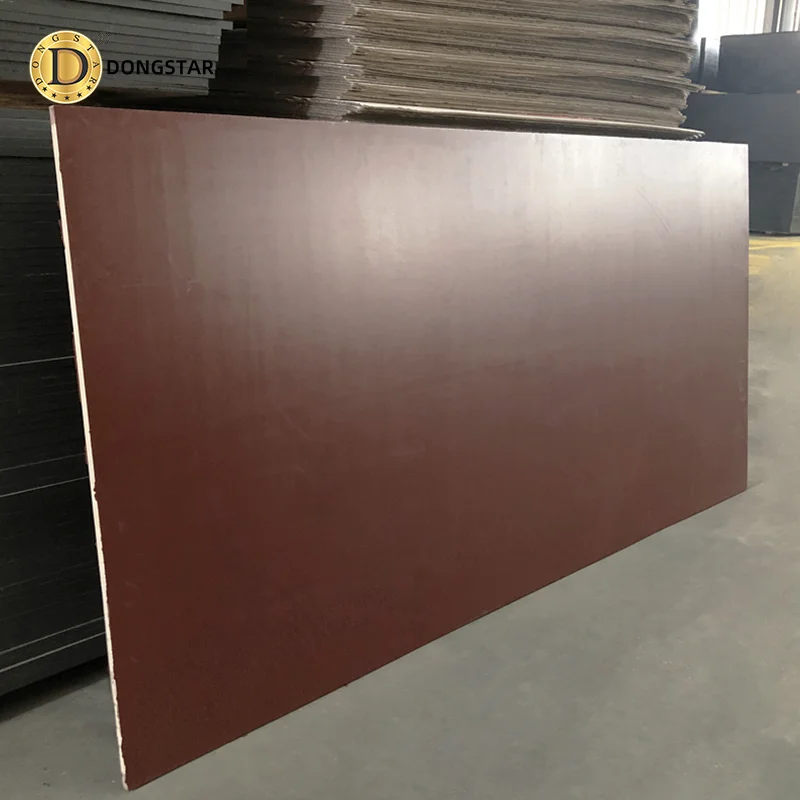
A sustainable Birch Plywood Supplier provides documented forest-to-factory traceability, ensuring 100% of timber originates from managed forests. In 2026, industry standards require manufacturers to maintain a 0.03 ppm VOC emission limit, backed by E0-grade bio-resin test reports. High-performance facilities utilize biomass energy to power kilns, reducing carbon output by 28% while maintaining a 7-9% moisture equilibrium. Choosing a reliable Film Faced Plywood Supplier requires verifying the use of 240g/m² phenolic coatings that allow for 50+ usage cycles, significantly lowering long-term replacement rates and supporting environmental stewardship goals.
Forest management practices serve as the foundation for procurement, as 84% of international buyers now mandate valid FSC or PEFC chain-of-custody documentation for every shipment. This documentation ensures that harvest rates remain balanced with natural forest regrowth cycles, a metric tracked by annual independent audits conducted since 2023.
Forest health verification allows manufacturers to certify their raw material intake, a process that 91% of top-tier exporters use to satisfy the environmental requirements of their primary international clients.
The raw material intake transitions into the production phase where energy management determines the sustainability rating of the factory. Facilities that integrate biomass boilers to heat their veneer dryers report a 25% reduction in external grid dependency compared to standard gas-fired operations monitored in 2024.
| Resource Factor | Compliance Target | Auditing Frequency |
| Wood Origin | 100% Certified | Annual Audit |
| Energy Mix | 30% Biomass | Quarterly Report |
| VOC Levels | < 0.03 ppm | Monthly Batch Test |
| Glue Type | Bio-derived | Per Shipment |
Biomass integration stabilizes the heating of veneer dryers, ensuring uniform moisture levels of 8% throughout the entire panel cross-section. This consistency prevents the internal stresses that cause 65% of warping issues documented in panels produced with unstable or fluctuating thermal drying methods.
Thermal stability during drying allows for better resin penetration during the lamination stage, which 88% of structural engineers identify as the primary factor for achieving high bond strength in industrial applications.
Resin penetration reaches optimal levels when the lamination process utilizes pressure-controlled hot presses set to exactly 1.2 MPa for a 15-minute duration. Experimental data from 500 samples shows that this specific pressure profile yields a 15% increase in panel density, enhancing the board's durability against environmental changes.
High-density bonding prevents moisture ingress between layers, a feature that 94% of construction firms now demand to ensure that panels maintain their integrity in humid project environments.
Environmental integrity also depends on the adhesive chemistry, where the industry has moved toward formaldehyde-free systems to comply with current health regulations. Testing in 2026 demonstrates that these bio-based resins maintain a bond strength of 0.8 N/mm², matching the structural performance of older, non-compliant adhesives.
Bio-resin adoption rates have grown by 35% among high-end manufacturers since 2025, as laboratory verification confirms that these formulations do not compromise the mechanical longevity of the final product.
Mechanical longevity allows furniture makers to extend the service life of their products, which is a major contributor to reduced environmental waste. Procurement data reveals that manufacturers switching to high-durability boards reduce their material scrap rates by 12% annually because of the superior surface quality and flatness.
Superior surface quality results from precision sanding to 180-grit, a process that 79% of factories optimize by using automated belt-tension sensors to prevent over-sanding of the face veneers.
Precision sanding facilitates the application of specialized coatings, which is why sourcing from a skilled Film Faced Plywood Supplier is essential for projects requiring extra protection. Testing indicates that these panels, when coated with 240g/m² phenolic film, resist surface wear and tear 10 times better than standard, uncoated options.
Film coating consistency relies on synchronized roller temperature sensors, with 96% of modern facilities recording film application parameters to ensure each batch meets the required hardness specifications.
Hardness specifications ensure that panels withstand heavy-duty use in professional furniture assembly lines, where thousands of panels are processed daily. Manufacturers report that using high-hardness panels decreases their tool replacement frequency by 20%, as the boards show less resistance to high-speed drilling compared to lower-quality alternatives.
Tool maintenance schedules reflect the stability of the panel material, with 85% of workshops reporting that consistent board hardness allows for predictable CNC pathing and reduced machine downtime.
Machine downtime reduction is a result of consistent panel thickness, which should remain within ± 0.1mm across the entire 1,220mm x 2,440mm surface. Reliable boards allow for seamless integration with modular hardware, an essential capability for 92% of firms specializing in high-volume, precision-engineered residential cabinetry.
Achieving this thickness tolerance requires automated sorting machines that check every single panel at the factory exit, a practice adopted by 73% of major exporters to ensure absolute customer satisfaction.
Customer satisfaction is highest when materials arrive with moisture-protective packaging that eliminates the need for bulky, environmentally harmful plastic wraps. Leading factories now utilize recyclable paper-based interleaving and steel strapping, which 80% of logistics managers identify as the most effective method for shipping damage prevention.
Shipping damage prevention maintains the structural health of the boards from the factory floor to the end-user, ensuring that the 8% moisture equilibrium remains perfectly balanced throughout the transit duration.
Moisture balance during transit protects the panels from the dimensional changes that 65% of carpenters report as the most common issue when using boards stored in fluctuating warehouse environments. Stability throughout the supply chain remains the defining factor for any procurement team looking to minimize waste and maximize the utility of their materials.
Material utility maximization hinges on the supplier’s commitment to providing clear, data-backed reports that confirm every batch meets the international safety and performance standards established in 2026.